Seattle Sounders FC
Optimizing the Sounders: Tactical Adjustments for a Stronger Finish
As the Seattle Sounders FC continue their campaign in the league, recent performances have prompted a tactical reevaluation. While the team has shown flashes of brilliance, inconsistencies have been evident, particularly in their offensive transitions and defensive solidity. This article aims to dissect these areas and propose some strategic tweaks that could help the Sounders finish the season strong.
Reinforcing the Defensive Line
One of the primary areas for improvement lies in the organization of the backline. While the Sounders have a solid defensive foundation, there have been instances where spacing between defenders has allowed opponents to exploit gaps. To counteract this, a more cohesive defensive line is essential. Employing a slightly deeper defensive line could help absorb pressure while minimizing the risk of being caught on the break.
Moreover, increasing communication among defenders is vital. With players like M. Anchor providing leadership, the Sounders should prioritize drills that enhance defensive cohesion. This could involve more situational training during practice, focusing on maintaining shape and tracking runners effectively.
Midfield Dynamics: Transition Play
Transition play has been a double-edged sword for the Sounders. At times, their ability to break quickly has led to significant scoring opportunities, but more often than not, they have struggled to maintain possession during these transitions. A potential tweak could be to have the midfielders adopt a more structured approach. Instead of relying solely on individual brilliance, encouraging a more collective transition strategy could help retain possession and dictate the tempo of the game.
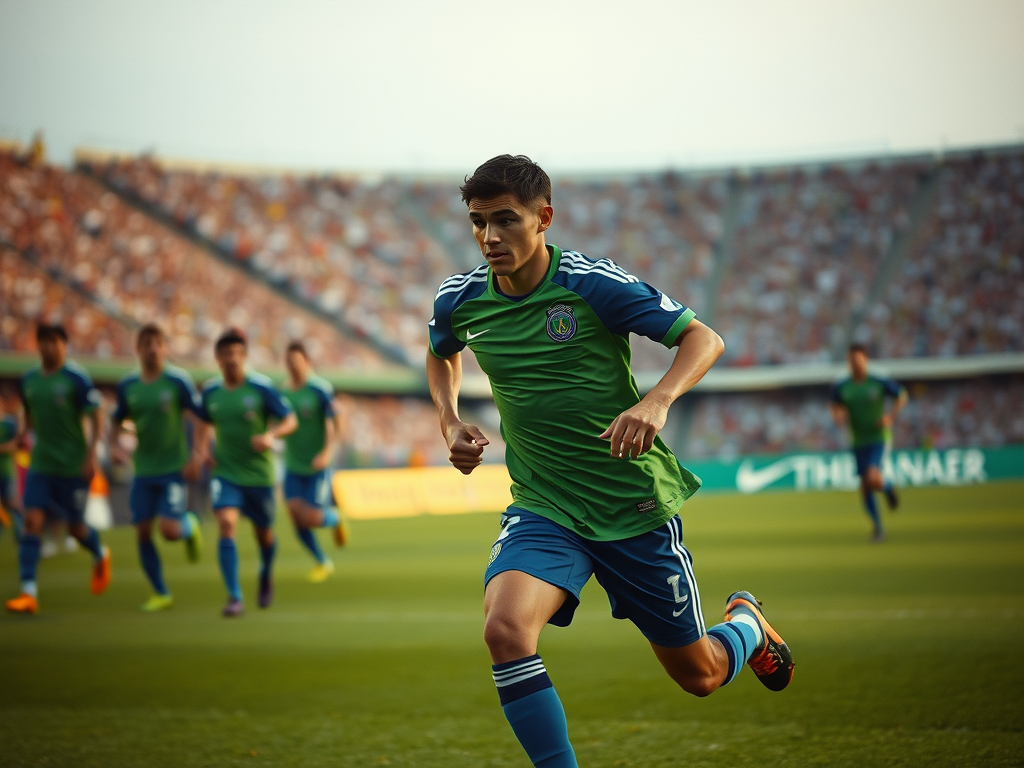
For example, integrating a more fluid midfield triangle could enable quicker ball movement and better passing angles. This configuration would allow players like O. De Rosario to find pockets of space more effectively, facilitating dangerous attacking plays. Additionally, incorporating more overlapping runs from full-backs could stretch the opposition and create additional width, allowing for more options in attack.
Enhancing the Forward Line's Creativity
The Sounders' attacking unit possesses immense talent, yet there are times when they seem stagnant in the final third. By encouraging more movement off the ball, the forwards can create space and opportunities for each other. A potential tweak would be to employ a false nine system, allowing a creative midfielder to drop deeper into the midfield and draw defenders out of position. This would create gaps for other forwards to exploit and help in breaking down tightly packed defenses.
Additionally, implementing a more varied attacking strategy—such as a mix of vertical runs and diagonal movements—could keep opposing defenses guessing. This unpredictability is crucial, especially against teams that are adept at maintaining a rigid defensive structure.
Tactical Flexibility
Lastly, the importance of tactical flexibility cannot be overstated. As the season progresses, the Sounders may face a variety of opponents with different styles. Having the ability to adjust formations and strategies mid-game can be a game-changer. For instance, switching to a 4-2-3-1 against teams that deploy high pressure could provide additional support in midfield and help maintain possession under duress.
In conclusion, while the Seattle Sounders FC have demonstrated their capabilities on the pitch, fine-tuning their tactical approach could lead to more consistent performances. By reinforcing their defensive organization, enhancing midfield transitions, encouraging forward creativity, and maintaining tactical flexibility, the Sounders can solidify their position in the league and set themselves up for a successful conclusion to the season.